Face primer for oily skin only works if the skin underneath it is already balanced — the wrong routine sends shine breaking through by lunchtime no matter what primer you bought. This guide breaks down what actually controls oil in 2026, what to skip, and where a clean morning skincare routine changes the outcome more than the primer bottle does.
- Silica-gel mattifying primers control oil best for face primer for oily skin in 2026 — Buy for daily wear.
- Silicone-heavy pore-filler primers pill and slide on very oily or humid skin — Skip.
- Niacinamide hybrid primers treat oil production over weeks, not just mask it for a few hours — Consider.
- Clean, non-comedogenic morning prep from Rooted for Good makes any primer last through the afternoon.
Why this matters
Most oily-skin complaints about primer aren't a primer problem — they're a prep problem. If the moisturizer underneath is too heavy, or the cleanser stripped the skin dry enough to trigger a rebound oil spike, the primer is fighting a losing battle before you leave the house. Rooted for Good builds its skincare around that idea: clean, small-batch formulas that balance the skin instead of overloading it, which is exactly what makes a primer sit still on top.
Oily skin in 2026 still means the same thing it always has: overactive sebaceous glands, visible shine by midday, and makeup that slides off the T-zone first. Primer doesn't fix oil production. It manages the surface long enough for your look to hold.
Who this is for
This is for anyone whose foundation breaks up around the nose and forehead within a few hours, whose pores look larger by afternoon, or who's tried three primers and still reaches for blotting sheets before noon. It's also for combination-skin readers who only get oily in the T-zone and don't want a primer that dries out the cheeks in the process.
What to look for in a primer for oily skin
Oil-absorbing minerals in the formula
Silica, kaolin clay, and bentonite clay physically soak up surface oil instead of just sitting on top of it. A primer built around one of these will visibly change texture as the day goes on — that's the mineral doing its job, not a sign the product is failing.
Non-comedogenic labeling that actually holds up
Oily skin is more prone to clogged pores, so a primer marketed as "lightweight" but loaded with heavy waxes will backfire within a week. Check the ingredient list, not just the front-of-bottle claim, before trusting a non-comedogenic label.
Mattifying finish vs. skincare-hybrid finish
A pure mattifying primer flattens shine fast but does nothing for the skin long-term. A skincare-hybrid primer with niacinamide or zinc works more slowly but can reduce how much oil your skin produces over weeks of consistent use.
How it layers over your morning moisturizer
Primer needs a moisturizer underneath that's absorbed fully — not still sitting on the surface — or it'll pill within minutes. If your moisturizer takes more than a couple of minutes to sink in, that's the layer to fix first, before blaming the primer.
Fragrance-free and clean enough for daily wear
Oily skin that's also reactive doesn't need synthetic fragrance added on top of a mattifying formula. A fragrance-free base keeps irritation out of the equation while you troubleshoot shine control.
The primer types worth trying for oily skin in 2026
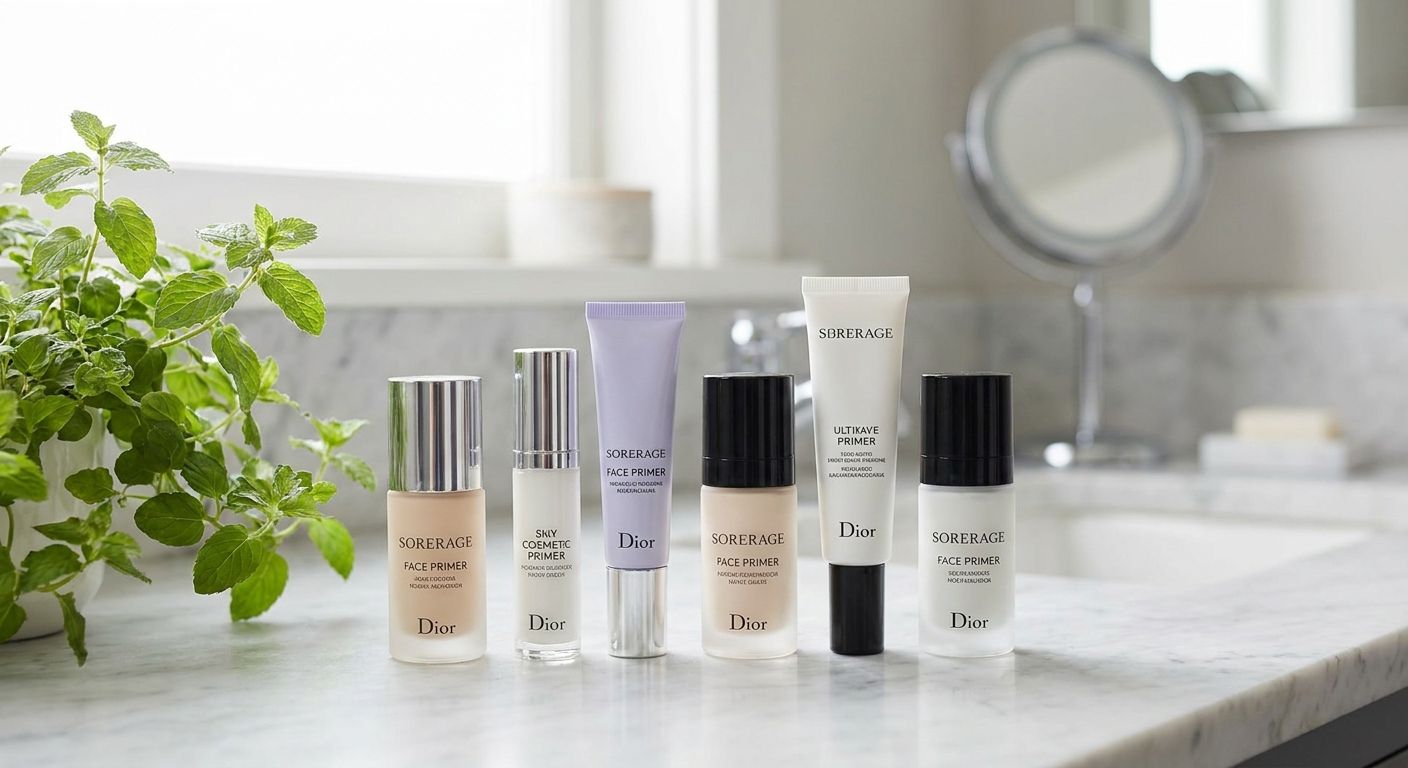
Silica-gel mattifying primer — the shine-control workhorse. These formulas lean on silica rather than dimethicone, so they absorb oil instead of just sealing it in. They blur pores on contact and layer cleanly under most foundations. Buy for daily wear if your main complaint is midday shine.
Clay-based powder primer — the blotting-paper alternative. Kaolin or bentonite clay in a lightweight base gives you built-in oil absorption without a heavy finish. It needs a quick blot by early afternoon on very oily skin, but it won't pill under makeup the way silicone-heavy formulas can. Consider it if you already carry blotting sheets and want to cut down how often you reach for them.
Niacinamide hybrid primer — the primer that also treats. Formulas built around niacinamide, often around 4-5% concentration, work on oil production over time rather than just masking it for a few hours. It won't outperform a pure mattifying primer on day one, but consistent use tends to reduce how oily the skin gets by week three or four. Consider/Buy if you're willing to trade instant mattifying power for a longer-term fix.
Silicone-heavy pore-filler primer — the pore-blur trade-off. These fill fine lines and pores beautifully in a photo, but the same silicone film that blurs texture also traps sweat and oil underneath it on very oily or humid-climate skin. Expect pilling and slide by midafternoon. Skip it unless your skin runs dry-to-normal and oil control isn't the actual problem you're solving.
The primer only gets you halfway there. The other half is what happens on your skin before the primer ever touches it — cleansing, toning, and a moisturizer that's actually absorbed rather than sitting on the surface. That's the routine layer worth investing in alongside whatever primer you pick.


What to avoid
- Silicone-only primers in humid weather. They look great in the mirror at 8am and pill into little gray balls by 1pm once sweat and oil build up underneath the film.
- Skipping moisturizer to "reduce oil." Stripping skin dry triggers a rebound oil spike that no primer can outpace. If your oil production has shifted with hormonal changes rather than just weather, treat it as its own issue — the guide on face cream for menopause skin changes covers how shifting hormones affect oil and hydration together.
- Fragranced mattifying primers on already-inflamed skin. If oily patches sit next to visible redness or flushing, that combination behaves more like rosacea-prone skin than plain oily skin — see face cream for rosacea-prone skin before adding another fragranced product to the mix.
Verdict comparison
| Primer Type | Best For | Shine Control | Verdict |
|---|---|---|---|
| Silica-gel mattifying | Very oily, non-sensitive skin | Strong, blurs pores immediately | Buy |
| Clay-based powder | Combination oily T-zone | Moderate, needs a midday blot | Consider |
| Niacinamide hybrid | Oily and reactive skin | Builds over weeks, not instant | Consider |
| Silicone-heavy pore-filler | Dry-to-normal skin only | Weak on very oily skin | Skip |
FAQ
What's the best face primer for oily skin in 2026?
A silica-gel mattifying primer is the strongest option for oily skin in 2026 because it absorbs surface oil instead of sealing it under a film. Clay-based powder primers are a close second if you don't mind a midday blot.
Does primer make oily skin worse?
A poorly matched primer, especially a silicone-heavy formula, can trap oil and sweat and make skin look shinier by afternoon. The right mattifying or clay-based formula reduces visible shine rather than adding to it.
Should I use primer or just moisturizer on oily skin?
You need both, in the right order. Moisturizer balances hydration so skin doesn't overproduce oil to compensate, and primer sits on top to hold makeup and control shine through the day.
How long does mattifying primer last on oily skin?
Most mattifying primers hold shine control through midday before very oily skin starts to break through, especially in warm or humid conditions. A quick blot rather than reapplying the whole primer usually resets it.
Is niacinamide primer better than silicone primer for oily skin?
Niacinamide primers work more slowly but address oil production over weeks, while silicone primers only mask shine for a few hours. For long-term oil control, niacinamide formulas tend to hold up better on genuinely oily skin.
Can I skip primer if I have oily skin?
You can skip it, but foundation will likely break down faster without it, especially around the nose and forehead. A clean, absorbed moisturizer underneath makes skipping primer more workable if you prefer a lighter routine.
Does clean skincare underneath primer matter?
Yes — a moisturizer that hasn't fully absorbed will cause almost any primer to pill within minutes. Non-comedogenic, quickly absorbed formulas underneath give primer a stable surface to hold onto.
What ingredients should I avoid in primer for oily skin?
Heavy waxes and dimethicone-dominant silicone blends tend to trap oil rather than manage it on very oily skin. Added synthetic fragrance is worth avoiding too if your oily patches sit near any redness or sensitivity.
One last thing
The primer you pick in 2026 matters less than most beauty aisles make it seem — what happens in the two minutes before you apply it decides whether it holds until dinner or slides off by 2pm. A properly absorbed, non-comedogenic moisturizer is doing more of the actual work than the primer bottle gets credit for, and building that step into a daily routine, the kind Rooted for Good bundles into its skincare sets, pays off longer than swapping primers every few months ever will.