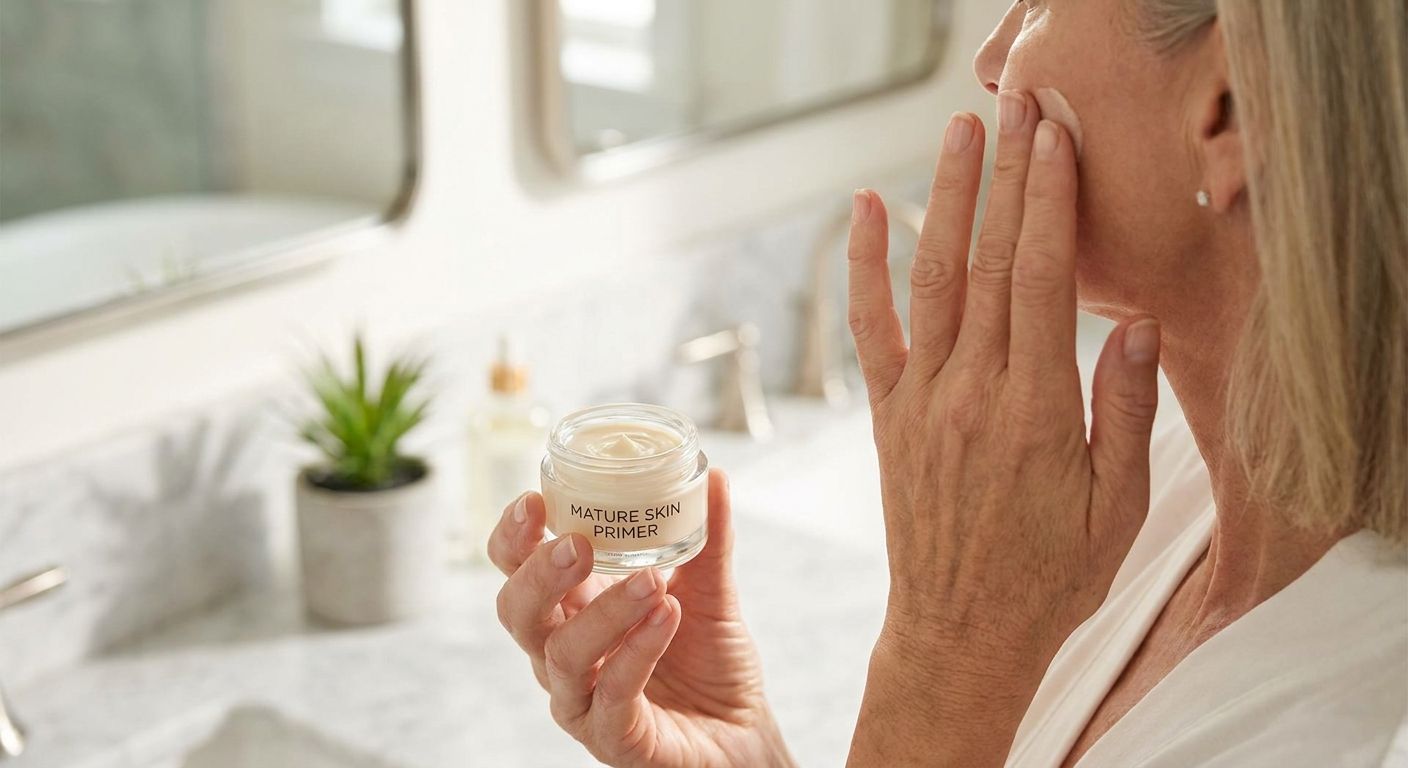
Face primer for mature skin has one job: hold makeup in place without sinking into fine lines, settling into dry patches, or making crepey texture more obvious by noon. Get the type wrong, or skip the prep step, and even a well-reviewed primer works against you.
- Hydrating, water-based formulas outperform mattifying primers for face primer for mature skin in 2026 -- buy hydrating over blurring.
- Silicone-heavy pore-filling primers often sit on crepey texture instead of smoothing it -- use with caution on drier skin.
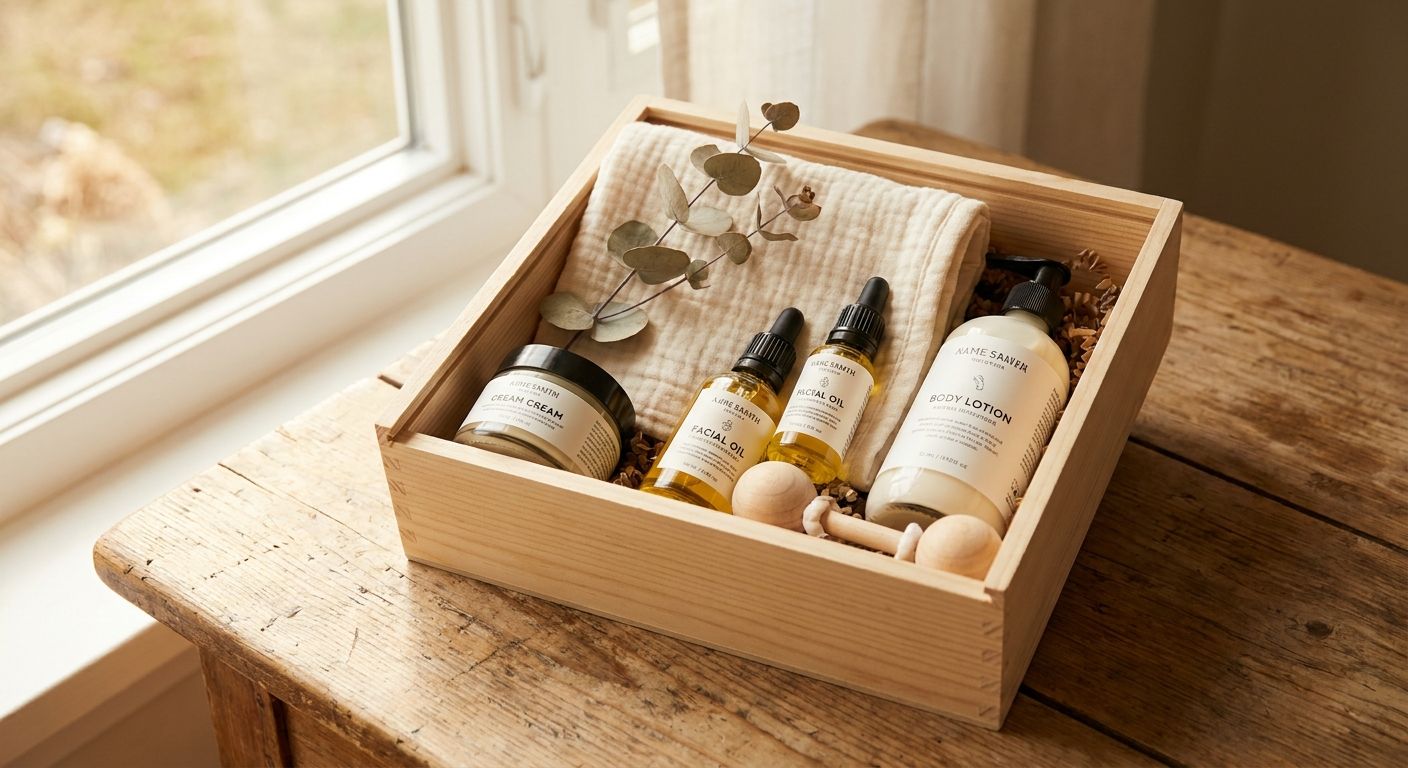
- Skin prep matters as much as the primer itself; Rooted for Good's Women's Premium Skincare Bundle preps skin before primer goes on.
- SPF-labeled primer is not a sunscreen replacement -- apply a dedicated SPF underneath first.
Why this matters
Skin over 45 produces less natural oil and turns over cells slower, which means the surface texture primer has to work with is drier and less even than it was a decade earlier. A primer built for oily, 25-year-old skin behaves differently on that surface -- it can grab onto dry patches, cake into fine lines around the eyes, or leave a chalky cast.
That's not a reason to skip primer. It's a reason to pick the right type and prep the skin underneath it properly before you shop for rootedforgood.com or anywhere else. The rest of this guide covers both.
Who this is for
This guide is for anyone dealing with perimenopause or menopause-related skin changes, dryness that showed up in the last few years, or makeup that used to sit flat and now creases by mid-morning. If foundation clings to texture around the mouth and eyes that wasn't there five years ago, the primer step is worth rethinking before the foundation.
What to look for in face primer for mature skin
Hydration base, not mattifying alone
Mattifying primers are built to absorb oil, which is the opposite of what drier, mature skin needs. A hydrating or dewy-finish primer gives foundation something to grip that isn't already flaking, and it reduces the chance of makeup looking powdery by afternoon.
Silicone level
Silicone-based primers blur pores and fine lines by filling them, which works well on smoother skin but can sit unevenly in deeper texture or crepey areas. Lighter silicone formulas or silicone-free options tend to blend into mature skin instead of highlighting where the skin has changed.
Separate SPF, not primer SPF
A primer with SPF listed on the label rarely gets applied thick enough to deliver real sun protection, since most people use primer in a thin layer. Mature skin, which shows sun damage more visibly, needs a dedicated sunscreen applied first and primer as a separate step after.
Blurring versus filling
Blurring primers use light-diffusing particles to soften the look of lines without physically filling them, which tends to look more natural on mature skin than heavy pore-fillers. Filling primers can look great in a mirror and then crack along expression lines once the face moves.
Fragrance-free, minimal-ingredient formula
Skin gets more reactive with age, and added fragrance in a primer sitting on the face for eight-plus hours is a common irritation trigger. A shorter ingredient list with no added fragrance lowers that risk considerably.
What's underneath the primer
Primer performs based on the skin condition beneath it -- dry, flaky, or under-moisturized skin will make any primer look patchy regardless of price. This is the step people skip and the one that actually changes results the most.
Top picks by type
Rather than naming specific drugstore or prestige bottles nobody can verify claims on, here's how the main primer categories perform for mature skin, plus the prep step that has to happen before any of them go on.
The hydrating pick. Water-based, dewy-finish primers are the safest default for mature skin in 2026 because they add moisture instead of pulling it. They work under cream and liquid foundation especially well. Buy this category first if you're starting from scratch.
The silicone pick. Silicone-based primers still blur pores and soften fine lines effectively, but they perform best on skin that's already well-hydrated underneath. On dry, under-prepped skin they can emphasize flaking within an hour. Consider this type only after the skin-prep step below is solid.
The mineral pick. Mineral powder primers control oil and add light coverage, but most mature skin doesn't have the oil problem they're built for, and the powder finish can sit into fine lines. Skip this category unless you have combination-to-oily mature skin specifically.
The prep-first pick. No primer performs on skin that's dehydrated at the source. Rooted for Good's Women's Premium Skincare Bundle pairs a facial scrub, cleanser, toner, serum and a moisturizer chosen for your skin type -- the exact layering routine that gives primer a smooth, hydrated base to sit on. Buy this as the step before you touch a primer bottle at all.


What to avoid
- Heavy mattifying primers. They're built for oil control most mature skin doesn't have anymore, and they exaggerate dryness within hours.
- Added-fragrance formulas. Skin sensitivity tends to increase with age; fragrance is one of the most common irritants in daily-wear products.
- Skipping moisturizer to "let primer do the work." Primer is not a moisturizer substitute -- it's a smoothing layer that performs based on what's underneath it. Skin dealing with menopause-related dryness specifically needs a real hydrating step first; see face cream for menopause skin changes for what that routine actually looks like.
Verdict comparison
| Primer type | Hydration level | Best for mature skin | Verdict |
|---|---|---|---|
| Water-based / hydrating | High | Dry, crepey, most mature skin | Buy |
| Silicone-based | Low, needs prep first | Well-hydrated mature skin only | Consider |
| Mineral powder | None | Combination-to-oily mature skin | Skip for most |
| Skin-prep routine (moisturizer, serum) | High | Anyone using any primer above | Buy |
FAQ
What's the best face primer for mature skin?
A hydrating, water-based primer is the safest starting point for mature skin in 2026 because it adds moisture instead of absorbing it. Mattifying and heavy pore-filling formulas tend to sit unevenly on drier, textured skin.
Is silicone primer bad for aging skin?
Silicone primer isn't inherently bad, but it performs poorly on under-hydrated skin and can settle into crepey texture. It works better once the skin underneath is properly moisturized first.
Do you need primer if you already moisturize well?
Primer and moisturizer do different jobs -- moisturizer hydrates the skin, primer creates a smooth surface for makeup to grip. Mature skin generally needs both steps, not one instead of the other.
Can primer make wrinkles look worse?
Yes, if it's a heavy filling primer applied over dry skin, it can crack along expression lines and draw more attention to them. A lighter blurring formula over well-prepped skin avoids that problem.
Should mature skin use powder primer?
Powder primers are built for oil control, which most mature skin doesn't need as much of. They tend to sit into fine lines and dry patches rather than smoothing them.
Is SPF primer enough sun protection on its own?
No -- primer is applied too thin to deliver full sun protection even when SPF is listed on the label. A separate sunscreen underneath is still necessary.
What should I do before applying primer on mature skin?
Cleanse, tone, and moisturize with a formula suited to your skin type before primer goes on. Skipping this step is the most common reason primer looks patchy by midday.
How long should primer last on dry, mature skin?
A well-matched hydrating primer over properly moisturized skin should hold through a full day without needing touch-ups around the nose or mouth. If it's breaking down within a couple hours, the skin underneath usually needs more moisture, not a different primer.
One last thing
The primer bottle gets all the attention, but the skin underneath it is doing most of the work. Every purchase at Rooted for Good sends 10% toward feeding children and families in need, which means the skincare step that actually fixes your primer problem also does something outside your bathroom mirror.